All Categories
Featured


Life Insurance Options for Veterans
Table of Contents
You are paying for permanence and guaranteed cash worth, not simply a death advantage. Bigger entire life policies scale up roughly in percentage to the face quantity.
Below are typical term life rates for seniors a $250,000 10-year term policy (male, non-smoker): AgeMonthly PremiumAnnual Cost60$70$84065$120$1,44070$210$2,52075$380$4,560 Many carriers top term length as you age a 20-year term is extensively available at 60 but rarely at 70. Match the term to a particular need (a remaining mortgage, a spouse's earnings gap).
A specialist broker helps you discover the carrier that treats your health most favorably. This is the most affordable time to buy, even if your protection requirements are modest.
Understanding Indexed Universal Life IUL Policies for Retirement
Lock in the most affordable rate possible for the longest period. You can constantly include more protection later on. Peak buying time. The majority of individuals begin families, buy homes, and struck their stride in their careers. SituationRecommended CoverageMarried, kids, mortgage$750K-$1.5 MSingle moms and dad$500K-$1MHigh earner ($150K+)$1.5 M-$3MPersonal + essential person protection 20-year level term if your kids are young.
Lots of responsibilities are at their peak. Mortgage is established, kids are growing, and college is approaching. SituationRecommended CoverageKids heading to college in 5-10 years$500K-$1M (match to remaining years)Large home mortgage remainingCoverage matching balanceApproaching peak earning years10-15x earnings 15 or 20-year level term. If you currently have a 30-year term from your 30s, you might have enough.
Kids might be independent, home loan is shrinking, and retirement savings are growing. SituationRecommended CoverageMortgage nearly paid offReduce coverage or keep for earnings replacementKids independentCoverage need drops significantlySpouse depends upon your incomeMatch to years up until retirementFinal expenditures just$25K-$50K long-term policy 10-year term for particular needs, or final expenditure entire life for irreversible protection.
Securing Financial Security with Whole Life Insurance
Here is the true expense of procrastination: Buy at AgeMonthlyTotal Over 20 YearsExtra Expense vs.
And that assumes you stay healthy. What is the finest age to purchase life insurance? The finest age is as young as possible.
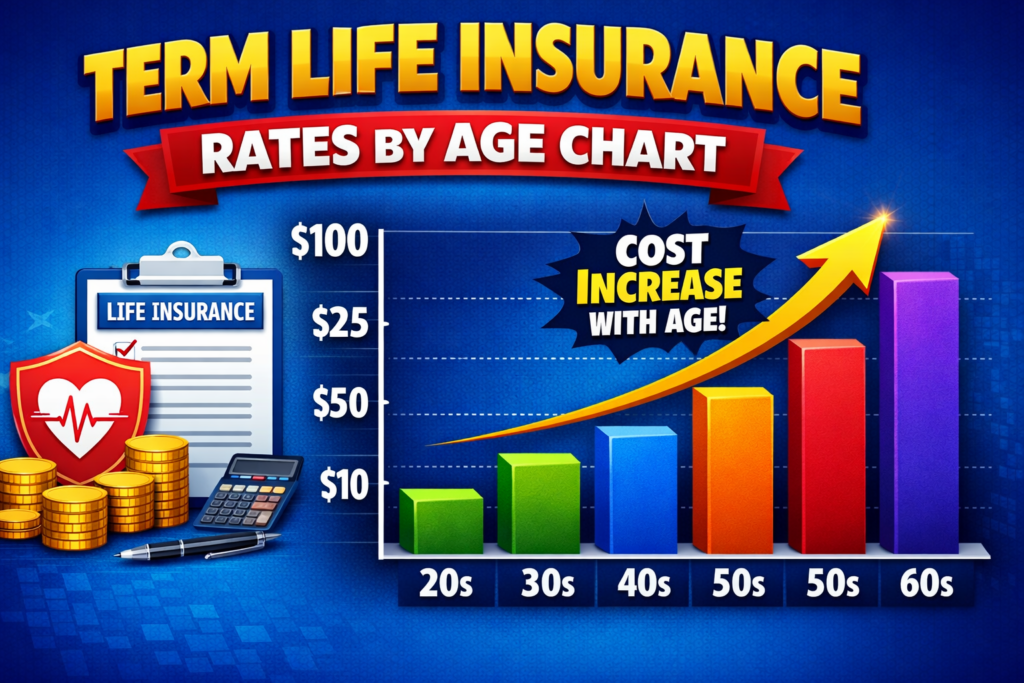
Medicare in Rancho CucamongaA 25-year-old pays approximately half what a 35-year-old spends for the exact same coverage. Buying in your 20s locks in the most affordable rate for the longest duration. Just how much does life insurance increase by age? Rates increase about 8-10% per year in your 20s-30s, 10-15% each year in your 40s, and 15-20% each year in your 50s-60s.
Comprehensive Life Insurance Solutions for Veterans
Is it too late to buy life insurance coverage at 60? No. While rates are greater, a healthy 60-year-old can get $250K in 10-year term coverage for about $78-100/ month. Last expenditure policies are much more affordable. Protection is available at any age. What are whole life insurance coverage rates by age? Whole life is a number of times more costly than term since the protection is permanent and develops cash value.
Ladies pay approximately 10-20% less. Larger whole life policies scale up from there. See the entire life chart below. What are typical life insurance rates for seniors? For a healthy senior, a $250,000 10-year term policy (male, non-smoker) costs approximately $70/month at age 60, $120/month at age 65, and $210/month at age 70.
Rates rise steeply with age, so applying faster rather than later matters most in this bracket. Compare rates from top life insurance coverage providers. In this short article, we'll break down the numerous aspects that affect life insurance costs, how much you can expect to pay, and suggestions for getting the best rates.
The purchasing a 20-year term policy for $250,000 in coverage. These terms describe various types of term life insurance policies. Life insurance tends to be more costly than impairment insurance because it offers a death benefit to recipients, which can be a considerable amount of cash.

Latest Posts

Choosing the Best 2026 Medicare Advantage Coverage

PPO vs HMO Health Insurance Options

Part D Enrollment Tips for Seniors